Auto fares, decoded: what the meter actually charges
Base fare, distance slabs, waiting time, night charge — and the three questions that settle ninety percent of fare arguments before they start.
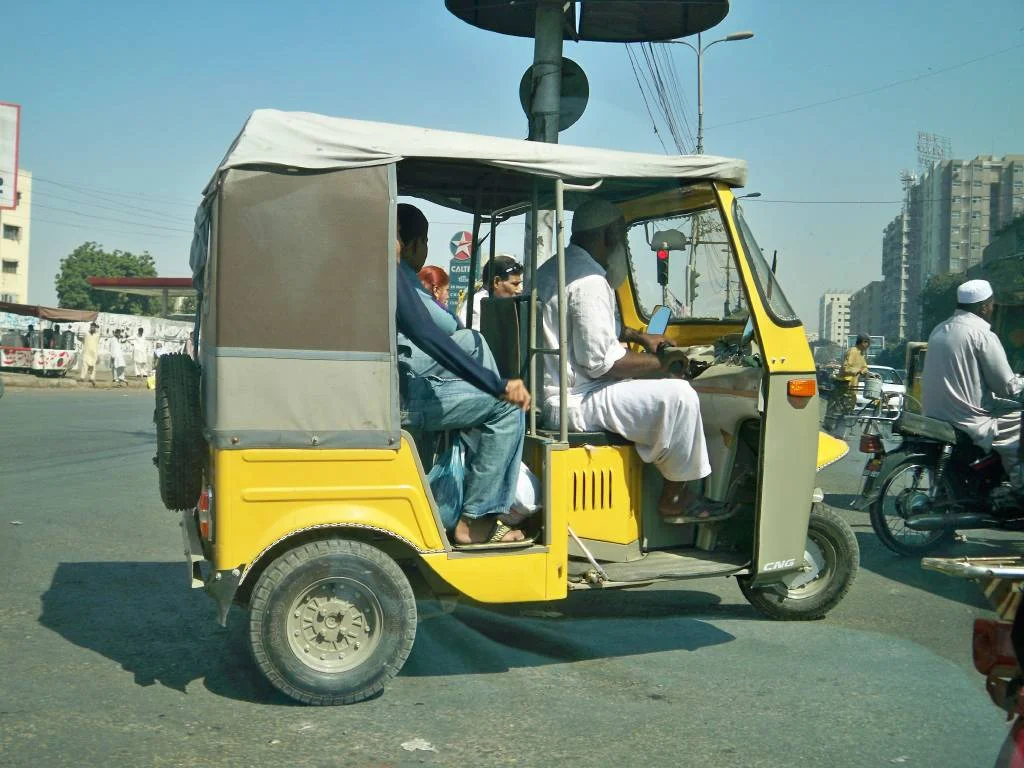
The meter is not a mystery; it is a formula with four parts. A base fare covers the first stretch, a per-kilometre rate runs after it, waiting time is billed by the minute at signals and jams, and a night surcharge applies in the notified hours.
Most disputes come from the parts riders cannot see. Waiting time accumulates silently in traffic — the fare that 'jumped' at a signal usually just added the minutes. The night charge starts at a fixed hour whether the sky agrees or not.
Three questions prevent most arguments. Is the meter showing the current tariff card, which revises after fuel-price changes? Is the route reasonable for the hour, since the shortest line on a map can be the slowest road at six? And was waiting time incurred with the engine on?
Drivers have their own honest arithmetic: a day's rent for the vehicle, fuel, and a target that decides whether the evening ends at nine or eleven. Understanding both sides of the windshield, a union veteran says, settles more fares than any app: 'The meter measures the road. Courtesy measures the ride.'


Reader Comments
Comments are reviewed by our desk before they appear. Sign in with your mobile number to join the discussion.